Why Your Shopping Cart Keeps Looking Exactly Like Your Closet
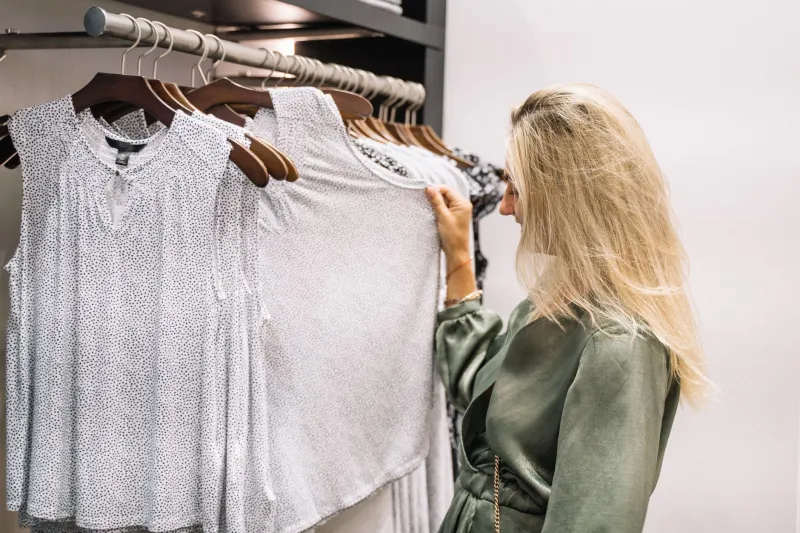
Picture this: you spend a Saturday afternoon browsing your favorite online store, genuinely excited about refreshing your wardrobe. You find a great top, a pair of pants that feel fresh, maybe a jacket that catches your eye. You check out, the package arrives, and somewhere between pulling out the tissue paper and hanging things up, a slow realization creeps in.
You already own this. Not the exact same piece — but close enough that it barely matters.
This isn't a fluke. It's a pattern, and it has a name: outfit amnesia. And if you're a style-conscious person who cares about what you wear, it's worth understanding why it keeps happening.
Your Brain Is Running a Default Program
Here's the honest truth about how most people shop: we think we're making intentional choices, but we're mostly responding to comfort signals. The human brain is wired to gravitate toward the familiar. When you're scrolling through options and something catches your eye, there's a good chance it's catching your eye because it resembles something you already own and feel good in.
That's not a character flaw — it's just how pattern recognition works. Your brain has already logged what made you feel confident in the past, and it's quietly steering you back toward that same silhouette, that same color family, that same general vibe. The result? A closet full of slight variations on the same three outfits.
The problem isn't that you have a style. Having a style is great. The problem is when your style becomes a cage — when you're not evolving, just duplicating.
The Insecurity Loop Nobody Talks About
There's also something deeper going on beneath the surface. A lot of repeat purchasing isn't about style preference at all. It's about risk avoidance.
Trying something genuinely new — a silhouette you've never worn, a color outside your usual rotation, a pattern that feels a little loud — carries emotional risk. What if it doesn't work? What if you feel weird? What if people notice you're trying something different and it doesn't land?
So instead of taking that risk, you reach for something that feels safe. Something that looks enough like what already works that the downside feels minimal. You're not shopping. You're hedging.
This is where outfit amnesia and personal insecurity overlap. When you don't have a confident, clear understanding of your own style DNA — what you actually want to communicate through your clothes — you default to what's already been proven. And you keep proving the same thing, over and over, until your closet is a museum of your comfort zone.
What Your Closet Is Actually Telling You
Before you buy a single new piece, try this: do a full inventory of what you already own. Not a casual glance — a real, category-by-category accounting. Lay it out. Take photos if it helps. Look at everything together.
Patterns will emerge almost immediately. Maybe you own seven variations of the same neutral crewneck. Maybe you have four pairs of pants in nearly identical washes. Maybe every jacket you own hits at the same length. These aren't accidents. They're evidence of your defaults.
Once you can see the pattern clearly, you can start asking better questions. Not do I like this? but do I already have this? Not is this me? but is this expanding who I am, or just confirming who I've been?
At Asante Clothing, we believe your wardrobe should be a living thing — something that grows with you, reflects where you're going, not just where you've been. Wearing the culture means staying in conversation with it, not just repeating the same lines.
How to Actually Break the Cycle
Document before you shop. Seriously, photograph your closet. Create a simple folder on your phone with images of what you own, organized by category. When you're tempted by something new, pull up that folder first. If you already own three things that look nearly identical to what you're considering, that's data worth using.
Define your style in words, not images. Mood boards are useful, but they can also trap you in aesthetics you already know. Try writing out three to five words that describe how you want to feel in your clothes — words like grounded, sharp, expressive, layered, or bold. Then ask whether your purchases are actually moving toward those words or just recycling what's already there.
Set a one-in-one-out rule with a twist. Most people know the one-in-one-out concept, but here's the twist: when something new comes in, the thing that goes out should be the item it most resembles. That forces you to confront the duplication directly instead of just adding more.
Give yourself a color or silhouette challenge. Once a season, commit to buying one piece that falls completely outside your usual range. Not something random — something intentional. Research it, try it on, think about how it works with what you already own. It doesn't have to become a staple. It just has to stretch you a little.
Shop with a list, not a mood. Emotional shopping is where outfit amnesia thrives. When you're bored, stressed, or just looking for a pick-me-up, you default to what's comfortable. Shopping with a specific list of genuine gaps in your wardrobe — not vibes, actual gaps — forces a more intentional decision-making process.
The Real Cost of Playing It Safe
Every duplicate purchase isn't just a financial loss, though that's real enough. It's a missed opportunity to actually show up differently in the world. Your clothes are one of the clearest signals you send before you say a word. When that signal is stuck on repeat, you're not just boring your closet — you're potentially boring the rooms you walk into.
Style evolution doesn't require a total overhaul or a massive budget. It requires honesty. Honesty about what you already have, what you actually need, and what you're avoiding by buying the same thing again with a slightly different hem.
The most intentional dressers aren't the ones with the most clothes. They're the ones who know exactly what they own, why they own it, and what they're reaching for next. That kind of clarity doesn't happen by accident — it's built, one deliberate choice at a time.
Owning the moment, the way we talk about it here, means being present enough to notice when you're on autopilot. And then choosing to do something different about it.