Dress With Purpose: How to Build a Wardrobe That Actually Means Something
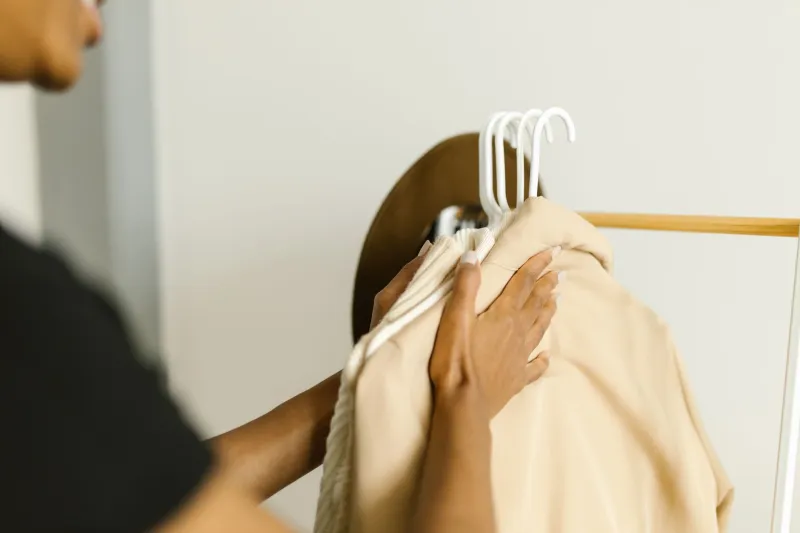
Most of us have stood in front of a packed closet and still felt like we had nothing to wear. Sound familiar? That paradox isn't just frustrating — it's a signal. When your wardrobe isn't built with intention, it ends up being a collection of impulse buys and trend chases that don't really connect to who you are. The fix isn't a shopping ban or a brutal purge. It's a shift in thinking.
At Asante Clothing, we believe fashion is one of the most immediate forms of self-expression. What you wear every day is a living, breathing statement about your values, your roots, and where you're headed. So let's talk about building a wardrobe that does exactly that — one that tells your story.
Start With the Question Nobody Asks
Before you open a single browser tab or step foot in a store, ask yourself: What do I want people to feel when they see me? Not what trend is hot right now. Not what your favorite influencer is wearing. What feeling do you want to put out into the world?
Maybe it's confidence. Maybe it's creativity. Maybe it's a deep connection to your cultural heritage. Whatever it is, that emotional anchor becomes the north star for every piece you add to your closet. This is the foundation of intentional dressing — and it's something most fast-fashion brands never encourage you to think about.
Write it down. Seriously. Even a few words on your phone's notes app can save you from a hundred regrettable purchases.
The Foundation Pieces That Do the Heavy Lifting
Every great wardrobe has a core — a set of versatile, well-made basics that work across dozens of outfits and occasions. These aren't boring pieces; they're the canvas. Think of a perfectly fitted pair of dark-wash jeans, a crisp white tee, a neutral-toned blazer, and a couple of quality layering pieces in colors that complement your skin tone.
The key word here is quality. Foundation pieces get worn constantly, so they need to hold up. Look for clean stitching, substantial fabric weight, and cuts that genuinely flatter your body — not just the mannequin they're displayed on. When you invest in pieces that fit right and last long, you're not just saving money in the long run; you're building trust in your own style instincts.
A solid foundation also gives your statement pieces room to breathe. When the basics are locked in, the bold stuff — the printed jacket, the embroidered shirt, the hand-dyed wrap skirt — hits so much harder.
Weaving in Culture and Identity
Here's where things get really interesting. One of the most powerful things you can do with your wardrobe is honor where you come from. Whether that's through Afrocentric prints, vintage Americana, pieces from your family's homeland, or contemporary designs that reference a subculture you belong to — cultural identity in fashion isn't a trend. It's a tradition.
American style has always been a remix. It pulls from everywhere — African, Indigenous, European, Latin American, Asian influences have all shaped what we wear and how we wear it. Embracing that in your own closet isn't appropriation; it's appreciation, especially when it's your own story you're telling.
Look for brands and designers who put genuine thought into their cultural references. At Asante, we draw on a rich aesthetic vocabulary that honors heritage while staying rooted in the now. A piece with meaning behind it will always feel more powerful than something you grabbed off a rack because it was on sale.
Statement Pieces: Choose Them Like You Mean It
Statement pieces are where your wardrobe gets a voice. But the word "statement" gets thrown around so loosely that it's lost some of its weight. A real statement piece isn't just something loud or eye-catching — it's something that feels unmistakably you.
Maybe it's a hand-blocked print top that reminds you of a trip that changed your life. Maybe it's a structured coat in a color that makes you feel untouchable. Maybe it's a graphic tee that references a moment in history you care deeply about. Whatever it is, it should spark something when you put it on.
A good rule of thumb: if you can't imagine yourself reaching for it at least a dozen times, it doesn't earn a spot in your closet. Statement pieces should be worn, not hoarded.
The Edit: Letting Go Without Losing Yourself
Building an intentional wardrobe also means being willing to let things go — and that part can feel surprisingly emotional. Clothes carry memories. A concert tee from ten years ago, a dress you wore to a first date, the hoodie you lived in during a hard winter. It's okay to hold onto pieces that have genuine sentimental value. But if something is just taking up space without serving your current story, it might be time to pass it on.
Try the "wear it or release it" method: if you haven't reached for something in 12 months and you can't name a specific upcoming occasion where you would, let it go. Donate it, swap it, sell it. Someone else's story might need exactly what you're holding onto.
Building Over Time, Not All at Once
Here's the thing about a meaningful wardrobe: it isn't built in a weekend. It grows with you. Your style at 22 shouldn't look exactly like your style at 35, and that's not a failure — that's evolution. The goal isn't to arrive at some perfect, finished closet. The goal is to stay intentional as you go.
Add pieces slowly and purposefully. When you see something you love, sit with it for a day before buying. Ask yourself if it connects to the story you're telling. If the answer is yes — and it fits well, and it works with what you already own — then it earns its place.
At Asante Clothing, we're not here to sell you a look. We're here to help you own your moment — every single day. Your wardrobe is one of the most personal things you own. Treat it that way.