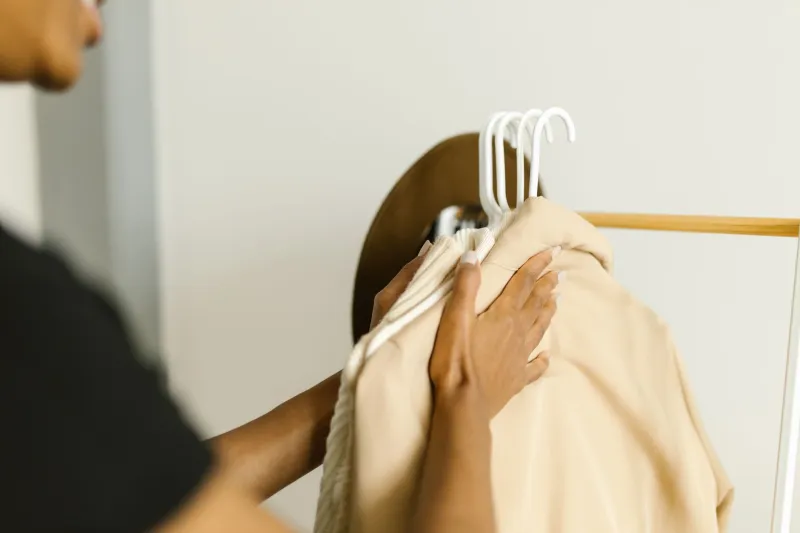
No Rules, All Style: How Gender-Fluid Fashion Is Rewriting the American Dress Code

Something is happening in American fashion that can't be ignored. Walk through any major city, scroll through your social feed, or browse the lookbooks of the most talked-about contemporary brands, and you'll notice it: the old categories are dissolving. Menswear. Womenswear. The binary sorting system that has organized the fashion industry for over a century is cracking — and what's emerging from those cracks is some of the most exciting, expressive clothing this culture has ever produced.
Gender-fluid fashion — design that exists outside or across traditional gender categories — has moved from niche subculture to mainstream conversation faster than most industry insiders predicted. And it's not slowing down.
A Movement That's Been Building for Decades
Let's be clear: gender-nonconforming style isn't new. David Bowie was blurring the lines in the early '70s. Prince made ruffled blouses and high heels feel powerful in the '80s. The ballroom culture of New York City — largely Black and Latino LGBTQ+ communities — was creating elaborate, category-defying fashion long before any major retailer caught on. Hip-hop artists have played with oversized silhouettes and jewelry in ways that challenged masculine norms for decades.
What is new is the mainstream adoption. Brands that once operated in strictly divided men's and women's sections are launching unisex lines. Major retailers are experimenting with gender-neutral floor layouts. And perhaps most significantly, younger American consumers — particularly Gen Z — are simply refusing to shop by the old rules. A 2023 survey found that more than a third of Gen Z consumers regularly buy clothing marketed to a different gender. That's not a niche. That's a market force.
What Designers Are Actually Doing
The shift isn't just happening at the consumer level. Designers across the spectrum — from independent labels to legacy houses — are rethinking their entire approach to silhouette, fit, and marketing.
Contemporary designers are increasingly building collections around the body as a form rather than a gendered category. Flowing silhouettes that work across body types. Tailoring that prioritizes proportion over convention. Fabrics — silk, linen, technical mesh — chosen for how they feel and move, not which "department" they belong in.
At the street level, the most interesting stuff is happening outside traditional fashion weeks entirely. Independent brands and small designers, many of them queer, Black, or both, are creating pieces that are explicitly built for everyone. No gender tags. No "boyfriend fit" euphemisms. Just clothing that fits a person, whatever that person looks like.
Asante Clothing lives in that same spirit. When we design, we're thinking about who's wearing the piece and what story they want to tell — not which side of a store they're supposed to shop on.
Style Voices Pushing the Conversation Forward
Talk to anyone building a platform in fashion right now, and the gender conversation comes up almost immediately. Style creators across Instagram, TikTok, and YouTube are documenting their own explorations of fluid dressing with millions of followers watching and, more importantly, being inspired to try it themselves.
Content creators like Wisdom Kaye, who built a massive following by combining traditionally masculine tailoring with unexpected textures and accessories, have shown that playing with gender codes doesn't require abandoning elegance — it enhances it. On the other end of the spectrum, creators leaning into maximalist, mixed-gender styling have made the case that fashion's best moments come when you stop asking "is this for me?" and start asking "does this say what I want to say?"
The common thread? Intentionality. The most compelling gender-fluid style isn't random or chaotic. It's considered. It's personal. It knows what it's doing.
Why This Reflects Something Bigger
Fashion doesn't exist in a vacuum. It's always been a reflection of broader cultural values, anxieties, and aspirations. The rise of gender-fluid dressing in mainstream America isn't just an aesthetic trend — it's a symptom of a generation renegotiating some of the most fundamental social categories we have.
Young Americans today are questioning institutions, redefining family structures, and building identities that resist easy labeling. It makes complete sense that their wardrobes would follow suit. Clothing has always been one of the first places people test out new versions of themselves. When the culture is in flux, the clothes show it first.
There's also a practical dimension here. Younger consumers are thinking more carefully about what they buy and why. A wardrobe built around rigid gender categories requires more pieces, more spending, more waste. A wardrobe built around versatile, fluid design can do more with less. The sustainability argument and the self-expression argument point in the same direction.
The Pushback — and Why It Doesn't Stick
Of course, not everyone is celebrating. There's been vocal resistance from corners of American culture that see gender-fluid fashion as a threat to tradition or, worse, as a cynical marketing ploy by brands trying to appear progressive without doing the real work.
Both critiques deserve acknowledgment. Some brands have absolutely used gender-neutral aesthetics as a trend-chasing exercise without any genuine commitment to the communities that built this movement. That's worth calling out. Authenticity matters in fashion just as much as it does anywhere else.
But the broader resistance — the idea that men in skirts or women in boxy suiting is somehow dangerous — tends to collapse under the weight of history. Every generation has had its version of this panic. Trousers on women were scandalous once. So were short haircuts. Fashion has always pushed, and culture has always eventually caught up.
What Comes Next
The trajectory here is clear. Gender-fluid fashion isn't a detour on the way back to traditional categories — it's the road. As the generation that grew up with this conversation enters its peak spending years, the brands that have built genuine fluidity into their DNA will be the ones that resonate.
For consumers, the invitation is simple: stop dressing for a category and start dressing for yourself. Try the oversized blazer. Experiment with the flowy trouser. Reach for the print that speaks to you even if it's hanging on the "wrong" side of the store. Your style doesn't owe anyone a neat explanation.
At Asante Clothing, we believe the best outfit is the one that makes you feel most like yourself — whatever that looks like. Wear the culture. Own the moment. No rules required.