Business Up Top, Comfort Down Below: Surviving the Hybrid Wardrobe Crisis

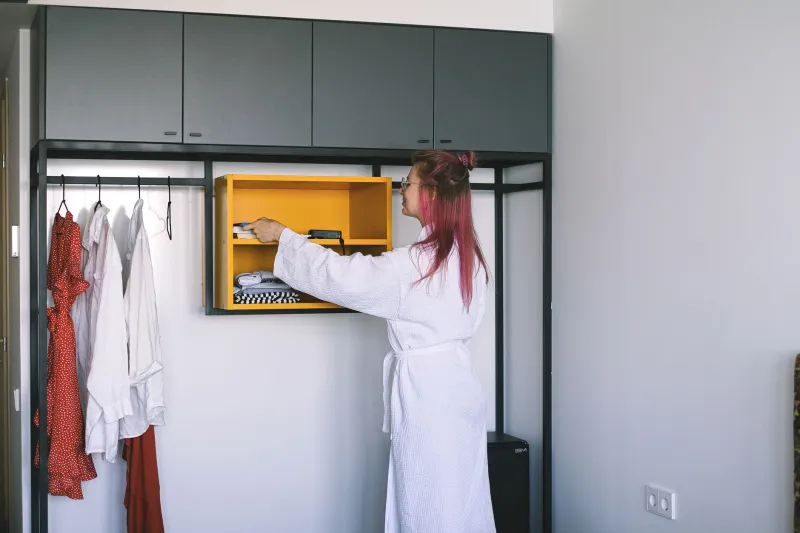
There's a moment happening in closets across America right now, and it goes like this: you reach for real pants for the first in-person meeting of the month, and half your wardrobe stares back at you like strangers. Who are these trousers? What is this blazer? When did the bottom half of my closet become a museum?
Five years of remote and hybrid work quietly restructured the American wardrobe, and almost nobody planned for it.
Enter the Mullet Wardrobe
Business up top, party (or rather, pajamas) down below. The 'mullet wardrobe' became the unofficial dress code of the Zoom era: crisp button-downs and knit polos paired with sweatpants that never appear on camera. It was a rational response to an absurd situation — optimize for the fifteen percent of your body that's visible.
The problem is that hybrid work didn't stay fully remote. Now we're back in offices two or three days a week, and the wardrobe math has gotten weird. You need enough 'real clothes' for the office without needing five full days' worth. You need enough comfort clothes without sliding into full-time loungewear. Most closets currently do neither job well.
Building the Two-Zone Closet
Instead of treating your wardrobe as one mass, think of it as two zones with a bridge between them:
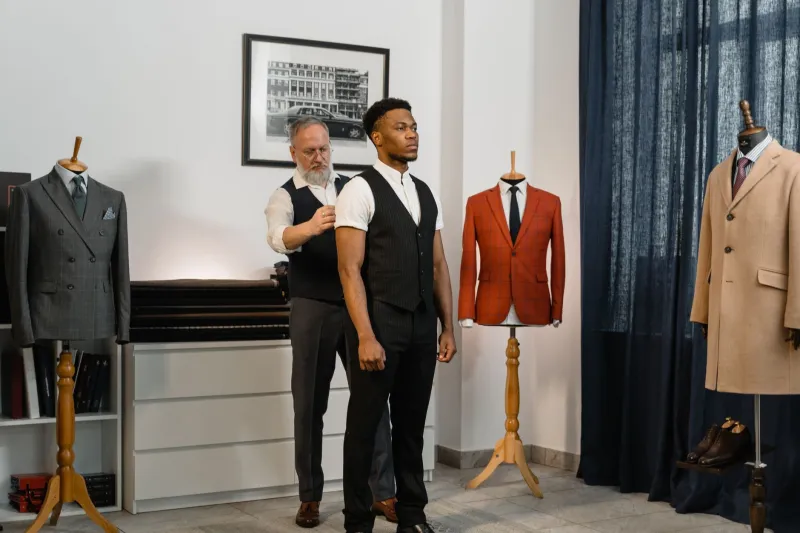
Zone One: Camera-facing. Polished tops, structured layers, pieces with texture and color that read well on video and in person. Keep this zone tight and high-quality — these pieces work harder than anything else you own.
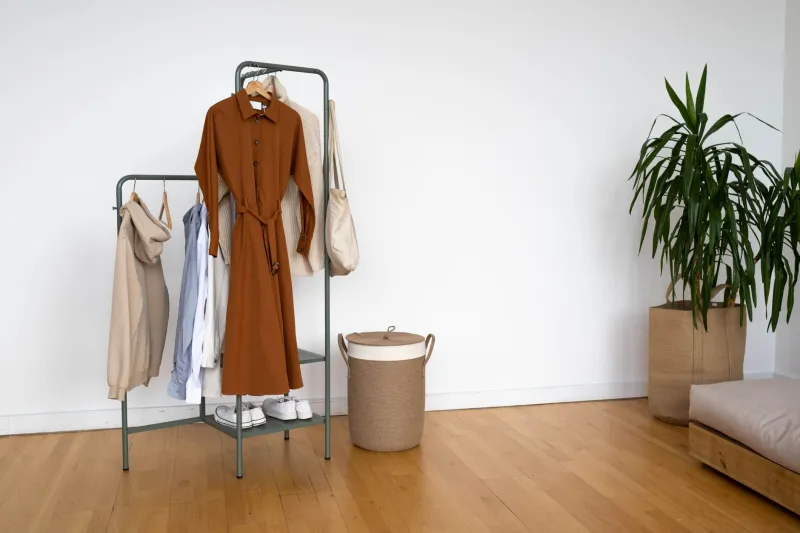
Zone Two: Life-facing. Soft pants, knits, the stuff you actually live in. Own this zone without shame. Comfort clothing is legitimate clothing. The mistake isn't owning it; it's letting it leak upward into every situation.
The bridge: elevated comfort. This is where the smart money goes in 2025. Pieces that pass both tests — refined joggers, knit blazers, polished loungewear sets, elevated sneakers. These are the garments that let you go from a couch workday to a grocery store run to a casual office day without a costume change.
What We Lost When Getting Dressed Got Optional
Here's the part worth sitting with. For most of modern history, getting dressed was a ritual — a sequence that told your brain the day had started. Remote work deleted that ritual for millions of people, and the effects showed up in places we didn't expect: mood, focus, the vague sense that all days are the same day.
Research on 'enclothed cognition' has suggested for years that what we wear influences how we think and perform. You don't need a blazer at your kitchen table. But you probably need something — a signal to yourself that you showed up.
The fix doesn't have to be dramatic. A daily uniform for work-from-home days. One good piece you put on every morning, even if nobody sees it. The ritual matters more than the audience.
The Bottom Half Rises Again
Consider this your gentle nudge: the clothes below the frame deserve a comeback. Not as a rejection of comfort, but as a refusal to let a webcam decide your wardrobe. Dress whole. Dress like the whole day counts — because whether you're on a grid or on the street, you're the one living in it.