The Four-Times-a-Year Style Refresh That Costs You Nothing
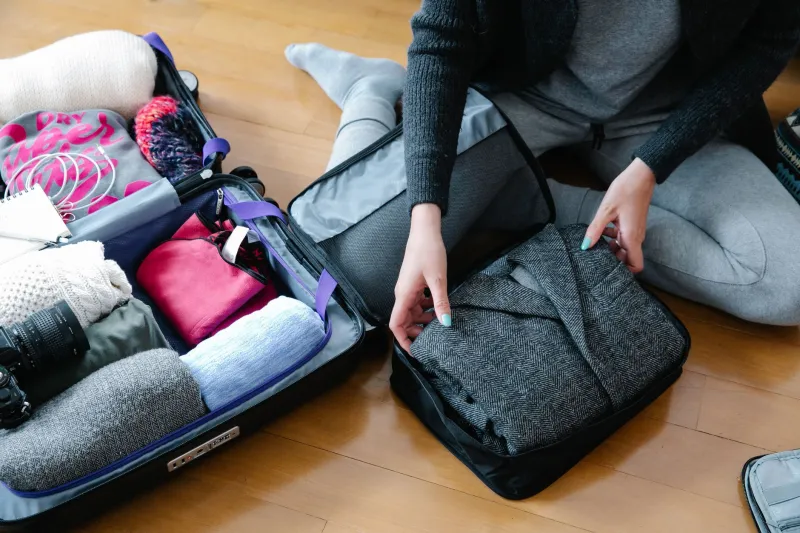
There's a specific kind of shopping urge that hits every few months — usually right when the weather shifts, or when you scroll past someone's outfit and suddenly feel like everything you own is wrong. It feels urgent. It feels like a need. But a lot of the time, it's actually just your brain craving novelty, and your wardrobe already has exactly what it's looking for. You just can't see it anymore.
That's where the seasonal reset comes in. Not the rushed version where you shove winter coats into a bin and call it done — the intentional version, done four times a year, that genuinely changes how your wardrobe feels and functions. It's one of the most underrated style moves out there, and it doesn't cost a thing.
Why Your Brain Gets Bored with Your Clothes
Let's start with the science, because it's actually kind of fascinating. Human brains are wired to habituate — meaning we stop seeing things that are constantly in our environment. Your favorite jacket, hung in the same spot for six months, starts to become invisible. Not because it stopped being good, but because your brain filed it under "known, accounted for, no longer interesting."
This is a huge driver of impulse shopping. When everything in your closet feels stale, the easiest fix feels like buying something new. And sometimes that's the right call. But a lot of the time, you're essentially paying for novelty that you already own — you just need to create the conditions to rediscover it.
Seasonal rotation disrupts the habituation cycle. When a piece comes back into your closet after three months away, your brain registers it almost like something new. The dopamine hit is real. The excitement is genuine. And it didn't cost you anything.
What a Real Seasonal Reset Actually Looks Like
Forget the idea that seasonal rotation is just about weather-appropriate clothing. Yes, you're swapping heavyweight knits for linen and sandals for boots — but the more valuable part is the mental reset that comes with physically handling everything you own.
Here's a framework that works:
Step one: Pull everything out. Not just the seasonal stuff — everything. Lay it out on your bed, your floor, whatever space you have. This is the part people skip because it feels like too much, but it's also the part where the magic happens. You cannot make good decisions about what you own if you can't see all of it at once.
Step two: Evaluate with fresh eyes. When's the last time you actually looked at that printed shirt? That wrap dress? That pair of trousers you bought for a specific event and never touched again? With everything visible, you start to see connections — pieces that would actually work together that you've never tried, or items that clearly don't belong in the rotation anymore.
Step three: Rotate intentionally, not just seasonally. Yes, pack away the heavy coats when spring hits. But also think about what you've been overusing and what's been neglected. If you wore the same three sweaters all winter, maybe those go to the back of the stack for a while. Surface the things you forgot about. Give them a fair shot.
Step four: Store what's leaving with care. How you store off-season pieces matters more than most people realize. Folded properly, stored in breathable bags or bins, away from moisture and direct light — clothes that are treated well come back in genuinely good shape. Crammed into a garbage bag and shoved under the bed, they come back looking like it.
The Money Argument (It's Actually a Good One)
Here's where the budget case for seasonal rotation gets interesting. Most people think of their wardrobe as a static cost — you spend money on clothes, you have clothes, end of story. But the real cost of a piece of clothing is its cost-per-wear. A $120 dress you wear twelve times cost you $10 an occasion. A $40 top you wear once cost you $40.
Seasonal rotation directly improves cost-per-wear across your entire wardrobe by bringing neglected pieces back into active rotation. That's not a small thing. Over the course of a year, rediscovering and actually wearing the pieces you already own can easily offset what you would have spent on new purchases to scratch the novelty itch.
There's also the garment longevity angle. Clothes that are properly stored, rotated, and not worn into the ground last significantly longer. That silk blouse you only bring out in spring isn't just feeling special — it's also not accumulating wear and washing cycles the way a year-round staple does. Rotation is, quietly, a form of garment preservation.
The Forgotten Piece Phenomenon
Every single seasonal reset turns up at least one piece that makes you say "wait, why haven't I been wearing this?" Every time. It's almost guaranteed.
Maybe it's a jacket you bought on a trip that got buried under heavier layers when fall hit. Maybe it's a pair of trousers that felt too formal when you bought them but now fits exactly where your style has landed. Maybe it's something from Asante that you ordered because the print spoke to you, wore once, and then somehow lost track of.
These rediscoveries are genuinely exciting — and they're a reminder that your wardrobe is a living thing. It shifts as you shift. Pieces that didn't work six months ago sometimes land perfectly now, because you've changed, your context has changed, or you've developed enough of a style vocabulary to finally know how to wear them.
Making the Reset a Ritual, Not a Chore
The difference between a seasonal reset that actually works and one that feels like a punishment is how you frame it. If it's a chore, you'll do it fast and resentfully and miss half the value. If it's a ritual — something you do intentionally, maybe with good music and a couple hours set aside — it becomes something you actually look forward to.
Some people make it a quarterly event with a specific playlist and a glass of something good. Some people do it solo, some with a friend whose style they trust. The format doesn't matter. The consistency does.
Four times a year. Every season. It's a small investment of time that pays back in money you don't spend, clothes that last longer, and a wardrobe that consistently feels like yours — not a collection of things you've accumulated, but a rotation of pieces you've actually chosen.
That's the whole point of dressing with intention. Wear the culture, own the moment — but first, know what you've got.