Layer Up, Level Up: The Art of Building Outfits That Actually Command Attention
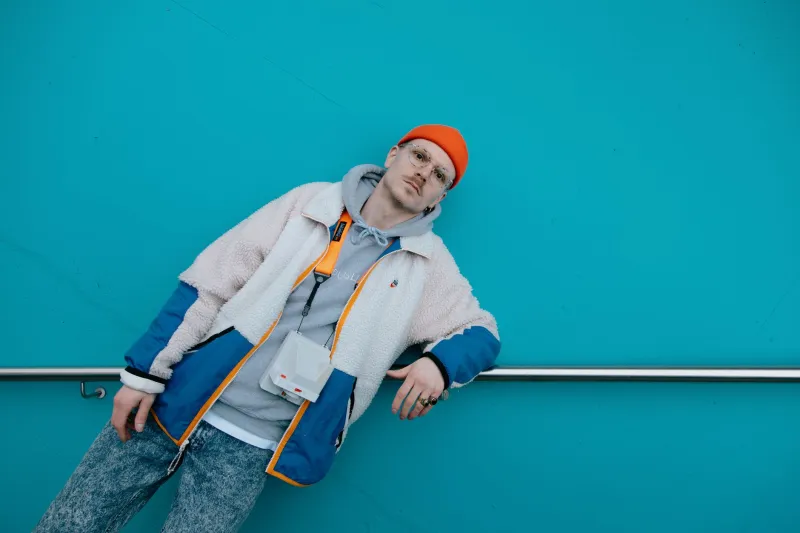
There's a difference between getting dressed and getting ready. One is something you do out of necessity. The other is something you do with purpose. And if you've ever walked into a room and felt the energy shift — felt people notice you before you said a word — chances are you weren't just wearing clothes. You were wearing a look.
Layering is how you get there.
Not layering in the "I threw on two hoodies because it's cold" sense. We're talking about strategic layering — the kind that fashion people have been using for decades to create depth, tell a story, and yes, feel genuinely unstoppable in what they're wearing. At Asante Clothing, we believe your wardrobe should work for you, not against you. And learning how to layer is one of the fastest ways to make that happen.
Why Layering Hits Different Than a Single Outfit
Here's the thing about a single, simple outfit: it says one thing. A layered look? That says several things at once — and lets you control the narrative.
Psychologists who study clothing and behavior have consistently found that what we wear affects not just how others perceive us, but how we perceive ourselves. There's even a term for it — enclothed cognition — which basically means your brain responds to the symbolic meaning of your clothes. When you build a look with intention, you're signaling something to yourself before you ever walk out the door.
Layering amplifies that effect. You're not just picking a shirt. You're making choices — about texture, proportion, color, and mood. That active process of decision-making is where confidence starts to build. It's less about following a formula and more about trusting your own eye.
Start With a Strong Foundation
Every great layered look starts with a base piece that can carry the whole outfit on its own. Think of it as your anchor. A crisp white tee, a fitted ribbed tank, a simple long-sleeve — something clean, something versatile.
The base doesn't need to be flashy. In fact, it's better when it isn't. Its job is to hold everything together, not compete with what goes on top. A neutral foundation gives you room to play without the whole look feeling chaotic.
From there, you build.
The Middle Layer Is Where Personality Lives
If the base is your anchor, the middle layer is your signature. This is where most people either get it right or overthink it into oblivion.
An open button-down worn over a graphic tee. A cropped knit vest over a flowing blouse. A structured blazer thrown over a hoodie. These combinations work because they create contrast — and contrast is what makes a look interesting.
Don't be afraid to mix textures here. Denim over cotton. Linen over jersey. A woven jacket over something soft and draped. The friction between materials is what gives a layered look its dimension. Your eye keeps moving across the outfit because there's always something new to catch it.
This is also where you start expressing who you are. Are you going for something polished? Something downtown-cool? Something that plays with cultural references or nods to your background? The middle layer is your canvas.
Outerwear as the Exclamation Point
Not every layered look needs an outer layer, but when you add one, it becomes the punctuation mark of the whole outfit. A longline coat that sweeps the floor. An oversized bomber that adds volume. A tailored trench that pulls everything into focus.
Outerwear has a way of making everything beneath it look more intentional. Even the most casual base-and-middle combination reads differently when you put a great coat on top of it. It's the difference between "I got dressed" and "I made a choice."
The key here is proportion. If your base and middle are fitted, you've got room to go big with outerwear. If you're already working with volume in the middle layer, a more structured outer piece will balance things out. Fashion isn't about rigid rules — but proportion is one principle that consistently holds up.
Playing With Length and Dimension
One of the most underrated layering techniques is playing with varying lengths. When each layer hits at a slightly different point — a tee peeking below an open shirt, a long cardigan falling past a jacket hem — it creates visual movement. Your eye travels down the outfit rather than stopping at any one point.
This also has a practical benefit: it's incredibly flattering across body types. Layering draws attention to the overall silhouette rather than any single area, which gives you a lot of creative freedom to build looks that feel good on your body, not some hypothetical one.
The Unexpected Combo Is Usually the Right One
Here's where a lot of people leave confidence on the table: they play it safe. They stick to combinations they've seen before, pieces they know "go together," looks that are easy to defend if someone questions them.
But the outfits that actually turn heads? Those usually come from someone who was willing to try something they weren't sure about.
A silk slip dress over a crisp white button-down. A tailored suit jacket paired with athletic shorts. A vintage tee tucked into a pleated midi skirt. These aren't random — they're intentional risks. And the more you practice making those calls, the more your instincts sharpen.
Your closet should be a place you experiment, not a place you play it safe. Wear the Culture. Own the Moment. That's not just a tagline — it's an invitation to actually try something.
Building Confidence One Layer at a Time
Here's the honest truth about confidence and clothing: it's not about wearing the most expensive thing or following whatever's trending. It's about feeling like the choices you made reflect who you actually are.
Layering forces you to make choices. And every time you make a choice that works — every time you walk out the door and feel like yourself, maybe even a more elevated version of yourself — that confidence compounds. You start to trust your eye. You start to reach for pieces you'd have passed over before. You start to see your wardrobe as a resource rather than a source of stress.
That's the real power move. Not any single outfit, but the relationship you build with your own style over time.
So the next time you're standing in front of your closet and you don't know what to wear — don't default to the easiest thing. Pull out two pieces that don't obviously go together. Add a third. See what happens.
You might surprise yourself.