The Colors You Wear Are Saying Something — Are You Listening?
Most of us don't think too hard about color. We grab what feels right, stick to what we know looks good, or follow whatever palette is trending on social media that season. But here's the thing: color is never neutral. Every shade you put on your body is communicating something — to the room, to the people around you, and to yourself.
Once you understand what your colors are actually saying, getting dressed becomes a whole different experience.
Color Has Always Been Cultural
Before color psychology became a marketing buzzword, cultures around the world had already built entire symbolic languages around hue. These weren't arbitrary — they were deeply tied to history, spirituality, social status, and collective identity.
Take white. In many Western contexts, it signals purity and new beginnings — think wedding dresses and fresh starts. But across parts of East Asia and in several African traditions, white is associated with mourning and ancestral reverence. Neither meaning is wrong. They're just different chapters of the same story.
Or consider red. In Chinese culture, red is celebratory — luck, joy, prosperity. In parts of West Africa, red can signal danger or spiritual power. In American political culture, it's partisan. In fashion, it's boldness and confidence. One color, a dozen conversations happening simultaneously.
For style-conscious shoppers in the US — a country built from overlapping cultures and diasporas — this complexity is actually an asset. You have access to a rich, multi-layered color vocabulary. The question is whether you're using it intentionally.
What the Psychology Actually Says
Color psychology, at its core, is the study of how colors affect mood, perception, and behavior. It's used in branding, interior design, and yes — fashion. Here's a quick breakdown of how some key colors tend to read in everyday American style contexts:
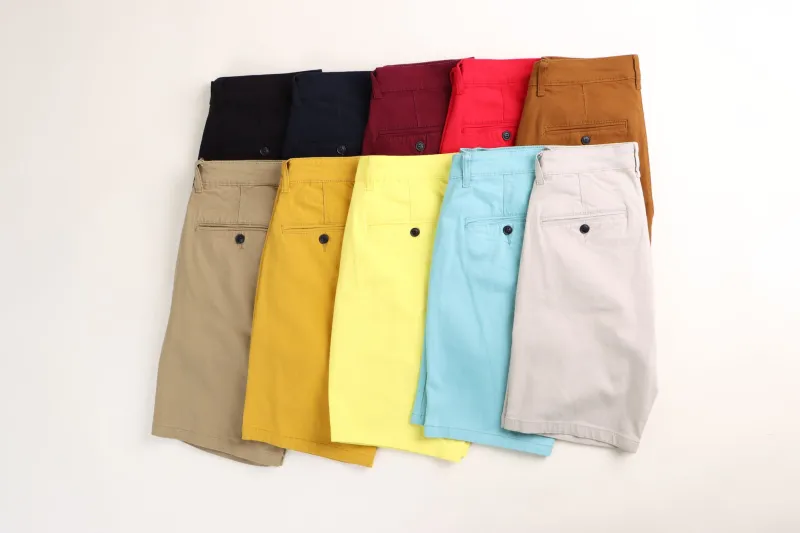
Yellow radiates optimism and energy. It's hard to ignore and harder to feel bad in. Mustard tones carry a vintage warmth; bright canary demands full attention. In many African textile traditions, yellow and gold are tied to royalty and wealth — a meaning that translates beautifully into contemporary fashion.
Green has had a serious moment in recent years, and for good reason. It reads as grounded, growth-oriented, and connected to nature. Deeper forest greens feel sophisticated; bright lime feels playful and current. In Islamic tradition, green holds sacred significance. In West African Kente weaving, green represents growth and renewal.
Blue is the world's most universally liked color, and it shows up in fashion with a kind of quiet authority. Navy signals professionalism and reliability. Cobalt is bold but polished. Sky blue feels open and approachable. In many Indigenous American traditions, blue is tied to the sky and spiritual connection — a depth that goes well beyond its calm visual presence.
Black in American fashion carries sophistication, power, and versatility. But it's worth knowing that in many traditional African contexts, black is associated with spiritual maturity, aging with grace, and ancestral wisdom — not darkness in the negative sense, but depth.
Earth tones — terracotta, ochre, warm brown, rust — are having a cultural moment that's deeply connected to a broader reclamation of heritage. These shades appear across African mudcloth, Southwestern Indigenous textiles, and Latin American pottery traditions. Wearing them isn't just a trend; for many people, it's a homecoming.
Moving Beyond "What's In" to What's Yours
Trend forecasters will always tell you what colors are "in" for the season. And honestly? Those palettes can be useful as a starting point. But building a wardrobe that genuinely reflects who you are requires going a layer deeper.
Here are a few questions to help you figure out your personal color truth:
What colors appear in your cultural heritage? Think about traditional textiles, celebrations, and ceremonies from your background. The colors that show up there often carry meaning that resonates in ways you might not be able to fully articulate — but you'll feel it when you wear them.
What colors make you feel most like yourself? Not most complimented — most yourself. There's a difference. Some colors make you feel powerful. Some make you feel calm. Some make you feel like you're performing a version of yourself that doesn't quite fit. Pay attention to that.
What do you want to communicate? Are you walking into a room wanting to lead? Wanting to connect? Wanting to be taken seriously or to put people at ease? Color can do a lot of that work before you say a single word.
Building a Color-Intentional Wardrobe
You don't need to overhaul everything at once. Start with a few deliberate moves:
Identify your anchor colors. These are the two or three hues that appear consistently in your best outfits and make you feel most confident. Build around those rather than chasing whatever's on the rack.
Add one culturally significant color. Whether it's the deep indigo of West African dye traditions, the vibrant red of South Asian celebration, or the turquoise of Southwestern Native American artistry — find a color that connects to your heritage and bring it into your rotation intentionally.
Use color to shift your energy. On days when you need confidence, lean into bold, saturated hues. When you want to feel grounded, reach for earth tones. When you need to project calm authority, cool neutrals and deep blues do the work. Your wardrobe can be a tool, not just a collection.
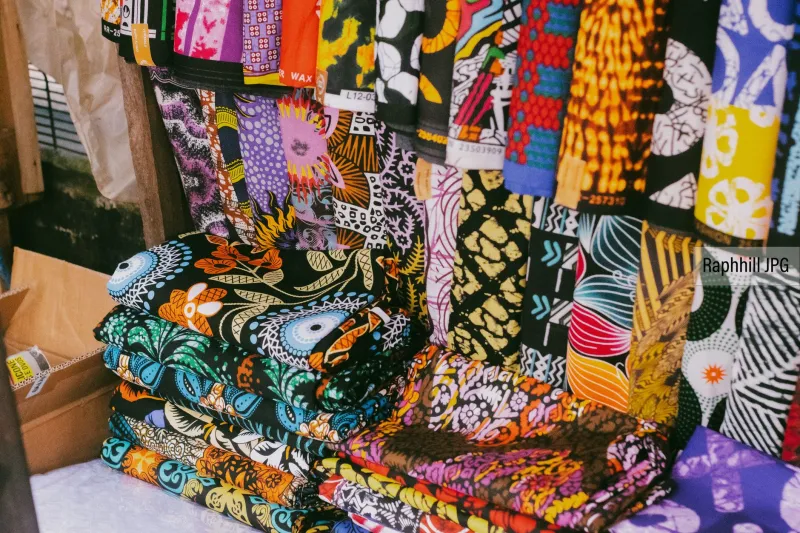
Don't be afraid of contrast. Some of the most powerful color combinations in global textile traditions aren't subtle — they're deliberate and bold. Kente cloth, for example, uses high-contrast color blocking to tell specific stories. You can bring that same intentionality into a modern outfit.
Color Is a Conversation
At Asante Clothing, we think about color the way we think about everything else in fashion: as an opportunity to connect identity with expression. The colors woven into traditional African textiles aren't decorative accidents — they're statements. Every hue carries weight, meaning, and history.
That's the energy we want you to bring to your wardrobe. Not just "does this look good?" but "what is this saying, and does it sound like me?"
Wear the culture. Own the moment. And let your colors do some of the talking.