Buy Less, Mean More: How Gen Z Is Turning Their Closets Into a Statement
There's a quiet rebellion happening in American fashion, and it doesn't look like a protest. It looks like a 24-year-old in Chicago swapping her monthly SHEIN order for a single hand-block-printed jacket sourced from a West African artisan collective. It looks like a college student in Atlanta thrifting a vintage dashiki and wearing it to graduation. It looks like intention replacing impulse — one garment at a time.
Gen Z didn't start this conversation, but they're definitely the ones turning up the volume.
The Fast Fashion Hangover Is Real
For the better part of two decades, fast fashion ruled. Cheap, trend-chasing, and endlessly refreshed — the model worked because it made newness feel affordable. But the cost was always higher than the price tag suggested. Garment workers underpaid. Fabrics that fell apart after six washes. Landfills swelling with last season's "must-haves."
Gen Z grew up watching that system crack. They came of age during climate anxiety, social justice reckonings, and a global pandemic that forced everyone to sit with what actually mattered. And when they came out the other side, a lot of them weren't rushing back to the checkout cart.
According to a 2023 ThredUp report, 62% of Gen Z consumers say they consider the sustainability of a brand before buying. But sustainability, for this generation, isn't just about carbon footprints. It's about meaning. It's about knowing where something came from, who made it, and what it represents.
A Garment With a Story Hits Different
There's something that happens when you put on a piece of clothing that carries history. It's hard to explain until you've felt it — but ask anyone who's worn a garment made with traditional craftsmanship, whether that's hand-woven Kente cloth from Ghana, intricate beadwork from the American Southwest, or hand-stitched embroidery from a family-owned workshop in Mexico City. It doesn't feel like something you bought. It feels like something you chose.
That distinction matters to younger consumers more than any previous generation. They're not just dressing bodies — they're curating identity. And identity, when it's honest, pulls from culture, family, memory, and values.
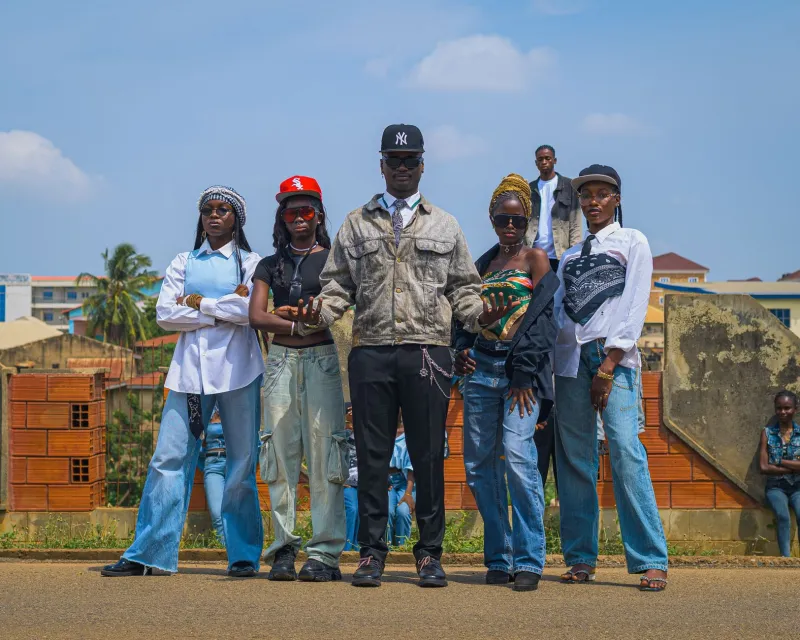
This is exactly where brands like Asante Clothing come in. The name itself — Asante, rooted in the Akan people of Ghana, one of the most celebrated cultures in West Africa — signals that fashion can be a vehicle for cultural pride, not just aesthetics. When you wear something that connects to a real tradition or a living heritage, you're not just making a style choice. You're participating in a story that's bigger than any trend cycle.
Thrift, Trade, and the New Wardrobe Economy
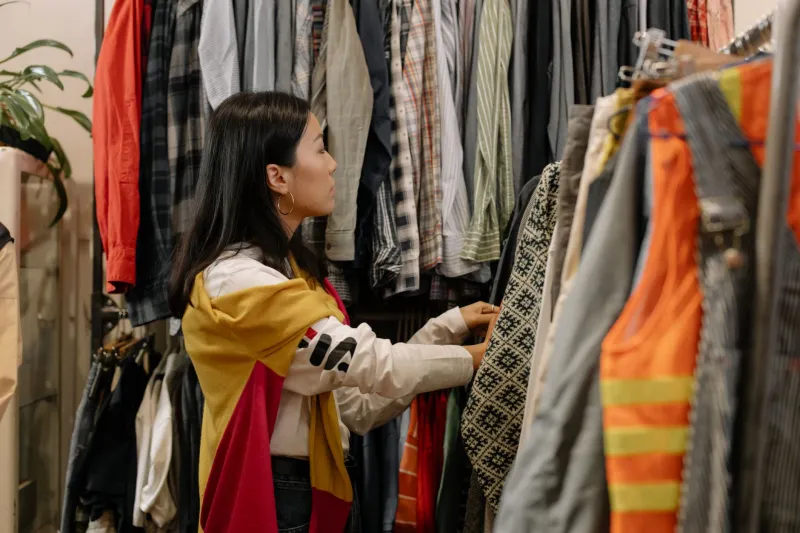
Part of what's fueling the slow fashion movement is a total rethinking of how clothes are acquired. Thrift stores, vintage markets, clothing swaps, and peer-to-peer resale platforms like Depop and Poshmark have become legitimate fashion ecosystems — especially for younger shoppers in major US cities.
In places like Brooklyn, Los Angeles, Houston, and Atlanta, secondhand shopping isn't a budget move anymore. It's a vibe. It's a way to find one-of-a-kind pieces that don't exist in any algorithm-driven feed. And for Gen Z shoppers with a strong sense of cultural identity, vintage and heritage pieces offer something fast fashion simply can't replicate: authenticity.
A pre-owned piece from a brand with real craftsmanship history beats a brand-new item from a factory that prioritized speed over soul — every time.
Intentional Consumption as a Form of Self-Respect
Here's the part that doesn't get talked about enough: choosing your clothes carefully is an act of self-respect. When you decide to invest in fewer, better pieces — ones that align with your values, reflect your background, and actually hold up over time — you're treating yourself as someone whose identity is worth dressing with care.
Gen Z gets this intuitively. They've grown up being marketed to relentlessly, and many of them have developed a sharp eye for what's genuine versus what's performative. A brand slapping "sustainable" on a polyester tee isn't fooling anyone. But a brand that sources with intention, celebrates cultural craftsmanship, and creates pieces designed to last — that earns loyalty.
Building a meaningful wardrobe doesn't require spending more. It requires spending smarter. That might mean saving up for one quality piece instead of buying five mediocre ones. It might mean learning about the textile traditions behind the patterns you're drawn to. It might mean asking yourself, before you click "add to cart": Will I still love this in three years? Does this reflect who I actually am?
What a Story-Driven Wardrobe Actually Looks Like
For anyone ready to make the shift, here's what intentional dressing can look like in practice:
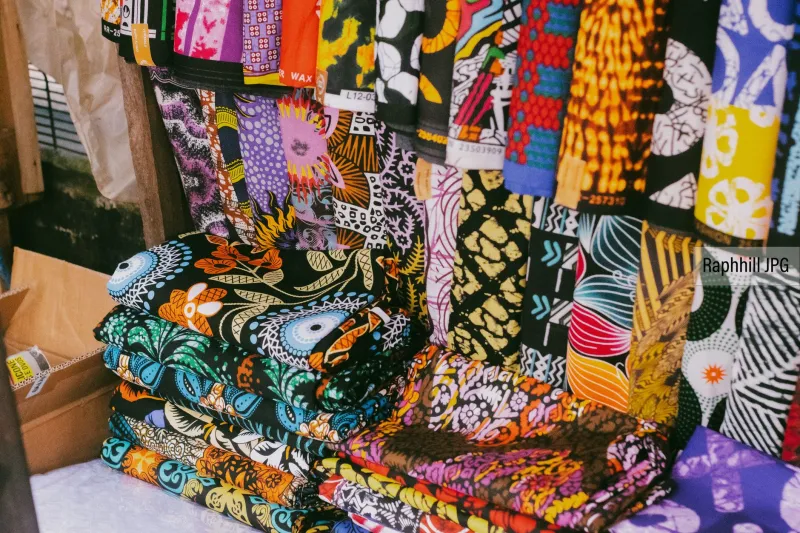
Anchor pieces with cultural roots. Look for garments that draw from real textile traditions — Ankara prints, mud cloth patterns, indigo-dyed fabrics, or hand-loomed textiles. These pieces carry history and hold their visual power across seasons.
Invest in quality over quantity. A well-made jacket or a perfectly cut pair of trousers will outlast ten trend-driven impulse buys. Look at construction, fabric weight, and finishing details before committing.
Research the brands you support. Where are the garments made? Are artisans fairly compensated? Does the brand have a clear point of view beyond aesthetics? These questions matter — and the answers will shape how you feel wearing what you buy.
Mix heritage with contemporary. Slow fashion doesn't mean dressing like a museum exhibit. Pair a traditional print with modern silhouettes. Layer a vintage find with something fresh. The best wardrobes hold a conversation between past and present.
The Bigger Picture
Gen Z's turn toward slow, story-driven fashion isn't a trend — it's a values shift. And it's one that's pushing the entire American fashion industry to reckon with what it actually stands for. Brands that lead with cultural depth, honest sourcing, and genuine craftsmanship aren't just surviving this moment. They're defining what fashion looks like next.
At Asante Clothing, we believe your wardrobe should be a reflection of who you are and where you come from — not just what's on sale this week. Wear the culture. Own the moment. And make sure every piece in your closet has earned its place there.