From the Continent to the Culture: Why African-Inspired Fashion Is Having Its Biggest American Moment Yet

Walk through any major American city right now and you'll spot it — a bold Kente-patterned bomber jacket on the subway, an Ankara wrap skirt at brunch, a dashiki-cut top paired with white sneakers outside a gallery opening. African-inspired fashion has moved well beyond niche boutiques and cultural celebrations. It's showing up in mainstream retail, on red carpets, and all over your social media feed, and it's not slowing down anytime soon.
But what's actually driving this shift? And more importantly, how do we talk about it honestly — celebrating what's beautiful about this moment without glossing over the complicated parts?
A Movement Rooted in More Than Aesthetics
The rise of African-inspired fashion in America didn't happen in a vacuum. It's been building for decades, accelerated by a generation of consumers — Gen Z and millennials especially — who are actively looking for clothing that carries meaning. These aren't shoppers who just want something cute to wear. They want to know where it came from, who made it, and what it stands for.
After the global cultural reckoning of 2020, there was a surge of intentional spending. Black-owned businesses saw unprecedented support. Designers of African descent who had been quietly building their brands for years suddenly found much wider audiences. And that momentum hasn't dissipated — it's evolved into something more permanent.
Fashion has always been a form of storytelling, and African textile traditions are some of the richest stories in the world. Kente cloth from Ghana, with its interlocking geometric patterns, carries centuries of royal and ceremonial meaning. Mud cloth from Mali tells visual narratives through hand-painted symbols. Adire fabric from Nigeria uses indigo resist-dyeing techniques that predate most Western fashion traditions. When these textiles enter American style culture, they bring all of that history with them.
Appreciation vs. Appropriation: The Conversation That Matters
Let's be real — this is where things get nuanced, and skipping past it would be doing everyone a disservice.
Cultural appreciation and cultural appropriation aren't always easy to tell apart, but intent and context go a long way. Wearing African prints because you genuinely love the artistry and want to support the designers and communities behind them? That's a very different energy from a fast-fashion brand mass-producing knockoff Kente patterns made overseas with zero connection to or compensation for the cultures that created them.
The distinction often comes down to a few key questions: Who's profiting? Who's being credited? And is the cultural context being honored or erased?
For American consumers navigating this, the simplest starting point is to look at who's behind the brand. Are the designers African or of African descent? Are the textiles sourced from actual African artisans and weavers? Does the brand tell the story of the fabric, or does it just use the visual without any acknowledgment of its origins?
Shopping with intention is a form of respect — and honestly, it also tends to get you better, more interesting pieces.
The Designers Bridging Heritage and Now
Some of the most exciting names in American fashion right now are doing exactly that kind of bridge work — connecting deep cultural roots to contemporary silhouettes that feel totally current.
Designers like Telfar Clemens have built global cult followings while centering Black identity unapologetically. Pyer Moss's Kerby Jean-Raymond has used runway shows to make explicit statements about Black American history. And beyond the big names, there's an entire ecosystem of independent designers — many of them first- or second-generation African Americans — who are creating pieces that speak to both their heritage and their lived American experience.
This dual identity is actually the sweet spot of the current moment. It's not about choosing between African tradition and American modernity — it's about wearing both at the same time, because that's the actual reality of a lot of people's lives.
At Asante Clothing, this intersection is exactly what we think about when we talk about wearing the culture. Style isn't separate from identity. It's one of the most immediate expressions of it.
How Gen Z Is Rewriting the Rules
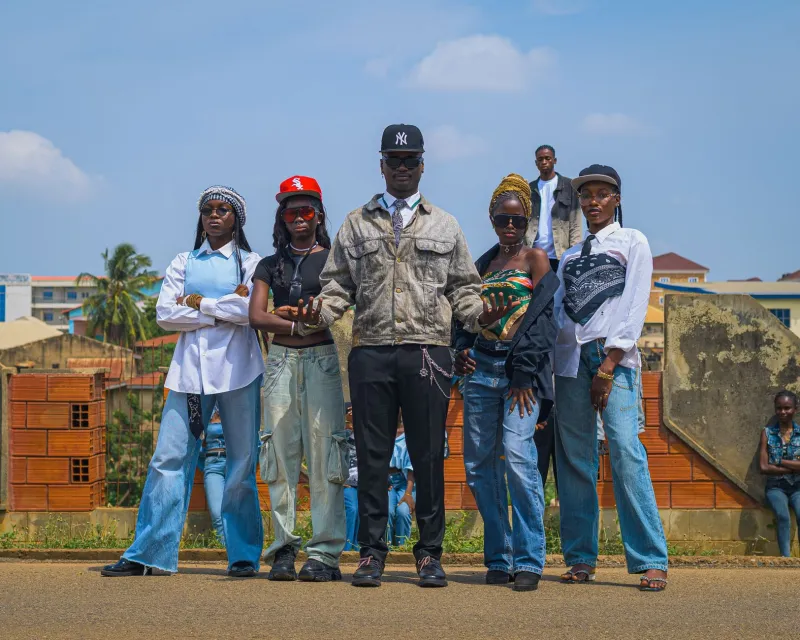
Younger consumers are approaching African-inspired fashion with a confidence and creativity that feels genuinely new. They're mixing Ankara prints with vintage denim. They're styling headwraps with oversized hoodies. They're thrifting traditional garments and restyling them in ways that feel completely fresh.
This generation isn't waiting for permission from fashion houses or mainstream media to validate what they wear. They're setting the trends themselves, and the industry is scrambling to catch up.
Social media has been a huge accelerant here. Platforms like TikTok and Instagram have given Black creators and fashion influencers direct access to massive audiences, allowing them to shape aesthetic conversations without needing a magazine feature or a brand partnership to do it. A single styling video can make a specific print or silhouette go viral overnight.
What to Look For When You Shop
If you're ready to bring more African-inspired pieces into your wardrobe — and you should be, because they're stunning — here's how to do it thoughtfully:
Buy from Black-owned and African-owned brands. Full stop. This is the most direct way to ensure your spending supports the communities whose creativity you're celebrating.
Learn a little about what you're wearing. You don't need a history degree, but knowing that your Kente-print piece has roots in Ghanaian royalty makes it mean more. It also makes you a more interesting person to talk to at a party.
Avoid mass-market knockoffs. If a huge fast-fashion retailer is selling a "tribal print" dress with no context or cultural credit, that's a red flag. Spend a little more on something made with actual intention.
Mix with confidence. African prints are bold by nature. They don't need to be toned down to be wearable. Lean into the color, the pattern, the presence.
The Moment Is Now
African-inspired fashion isn't a trend in the disposable sense of the word — it's not going to disappear when the season changes. It's part of a larger, ongoing shift in American style culture toward pieces that carry genuine meaning, reflect real identity, and connect to something bigger than just looking good.
And honestly? The clothes are incredible. The prints are bold. The silhouettes are striking. The history behind them is rich and layered and worth knowing.
Wear the culture. Own the moment. That's not just a tagline — it's a whole philosophy.