Your Roots, Your Rules: Wearing Cultural Fashion With Pride and Purpose

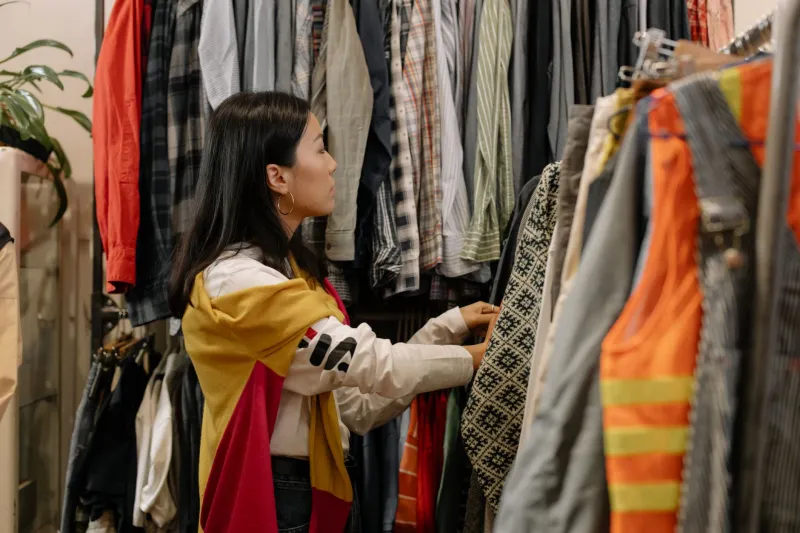
Photo by Photo by Yingchou Han on Unsplash on Unsplash
There's a particular kind of hesitation that shows up when someone who grew up between cultures reaches for a piece of clothing tied to their heritage. Maybe it's a dashiki, a piece of kente, an embroidered Mexican blouse, or a South Asian kurta worn outside a wedding context. The outfit feels right. The connection feels real. But somewhere in the back of the mind, a question surfaces: Am I doing this correctly? Is this okay?
Here's what we think: if it's your culture, your lineage, your living history — you don't need a permission slip. But there's still something worth talking about. Wearing cultural fashion with intention means more than just putting on the garment. It means understanding what you're carrying when you do.
The Difference Between Reclaiming and Performing
For a lot of Americans — particularly those from immigrant families, diaspora communities, or mixed cultural backgrounds — there's a complicated relationship with heritage dress. Maybe you grew up code-switching between your family's culture at home and something more "mainstream" outside of it. Maybe you were teased for the clothes your parents wore. Maybe you just never had the language to explain what your grandmother's fabric choices meant.
Now, as an adult, you want to wear those things. And the fashion world, to its credit, has caught up in some ways — cultural aesthetics are more visible in mainstream American style than they've been in generations. But visibility cuts both ways. When something becomes trendy, it attracts people who have no connection to it. And that can make those of us who do have that connection feel strange about claiming it — like we have to compete for the right to our own heritage.
Let's be clear: you don't.
Reclaiming cultural dress is an act of identity. It's saying this is where I come from, and I'm not hiding it. That is categorically different from someone adopting the aesthetic for novelty value while remaining disconnected from its meaning.
What "Authenticity" Actually Means Here
Authenticity in this context isn't about being a purist. It's not about wearing traditional dress in the most historically accurate way possible or having to justify your percentage of any particular heritage. It's about engaging honestly with what you're wearing.
That looks different for everyone. For some people, it means learning the name of the weaving tradition behind their fabric before they post a photo of it. For others, it means asking their grandmother what color combinations mean in their family's regional practice. For others still, it's as simple as being able to say, this pattern comes from my people, and wearing it connects me to them.
You don't have to be an expert. You just have to be present with it.
Sourcing Matters — and It's Not Complicated
One of the most concrete ways to honor the origins of cultural fashion is to think about where you're buying it. This isn't about gatekeeping — it's about making sure the people who created these traditions are actually benefiting from their continued relevance.
A few principles worth keeping in mind:
Buy from artisans and makers within the culture when you can. This is increasingly easy to do. Platforms like Etsy host thousands of independent makers from communities around the world. Diaspora-owned boutiques in major US cities often carry authentic pieces. Asante Clothing itself is built around this kind of intentional sourcing — connecting fashion-forward consumers with pieces that carry real cultural weight.
Be skeptical of mass-produced "inspired by" versions from large retailers. There's a meaningful difference between a kente cloth woven by a Ghanaian artisan using traditional methods and a fast-fashion kente-print skirt manufactured overseas with no connection to that tradition. Both might look similar. Only one supports the people behind the craft.
Ask questions before you buy. Good sellers — especially those with genuine cultural ties to what they're selling — will be happy to tell you about the origin of a piece, who made it, and what the design elements mean. If that information isn't available, that's worth noting.
Styling Cultural Pieces in Contemporary Contexts
One of the most exciting things happening in American fashion right now is the way cultural dress is being integrated into everyday style — not just reserved for holidays or formal occasions. And that integration looks best when it feels natural rather than costumed.
A few ways to wear cultural pieces with confidence in everyday contexts:
- Mix intentionally, not randomly. A beautifully embroidered blouse from your family's region of origin can anchor an otherwise simple outfit. Let the cultural piece lead and build around it, rather than layering cultural elements from multiple unrelated traditions.
- Wear it like you own it — because you do. Confidence is the most important styling tool. If you know the story behind what you're wearing, that knowledge shows up in how you carry yourself.
- Talk about it when people ask. Wearing cultural fashion in public spaces naturally invites curiosity. Sharing the story — even briefly — turns a compliment exchange into a moment of genuine cultural visibility.
The Bigger Picture
Fashion has always been one of the most immediate ways cultures communicate their values, histories, and identities. When you wear something rooted in your heritage, you're not just making a style choice. You're participating in a living tradition. You're keeping something visible that might otherwise fade.
At Asante Clothing, we believe that's worth celebrating out loud. Wear the culture. Own the moment. That phrase means something specific here — it's an invitation to show up fully as who you are, where you come from, and what you carry forward.
Your roots aren't a trend. They're yours. Wear them like it.